Reno Floor Inspector for Failed Floors & Expert Reports
Independent certified flooring inspections in Reno for SPC/WPC failures, LVP separation, hardwood over-drying, tile problems, moisture concerns, warranty claims, contractor disputes, and expert reports.
If you need a flooring inspection service to document what is happening before repairs begin, we review visible symptoms, site conditions, installation details, moisture indicators, and available product information.
- Certified Flooring Inspector
- NWFA / IICRC experience
- Moisture & substrate testing
- Warranty & dispute reports
- Reno • Sparks • Tahoe

What’s Wrong With Your Floor?
Flooring problems can look simple from the surface, but the cause may involve product behavior, installation, substrate preparation, moisture, maintenance, or Reno’s dry indoor conditions.
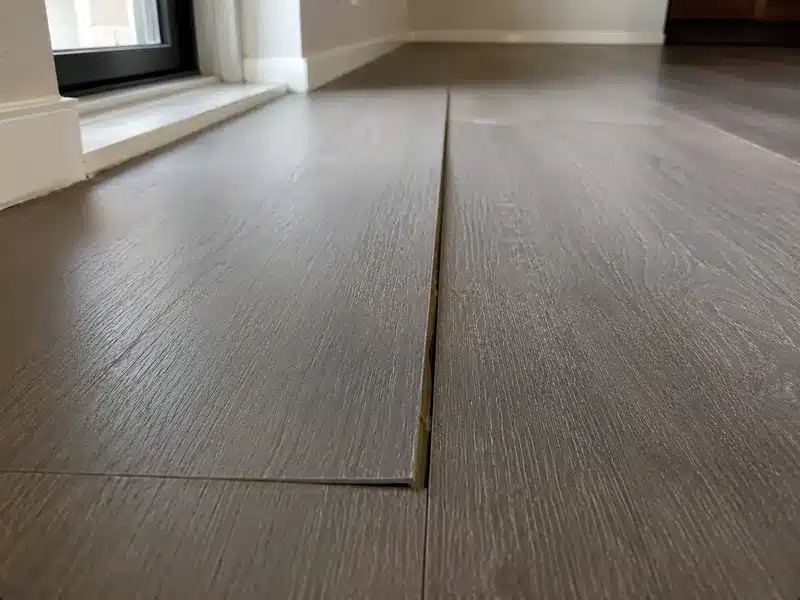
SPC / WPC floor separation
Floating rigid-core floors can separate, peak, unlock, or move when conditions are outside the product or installation requirements.
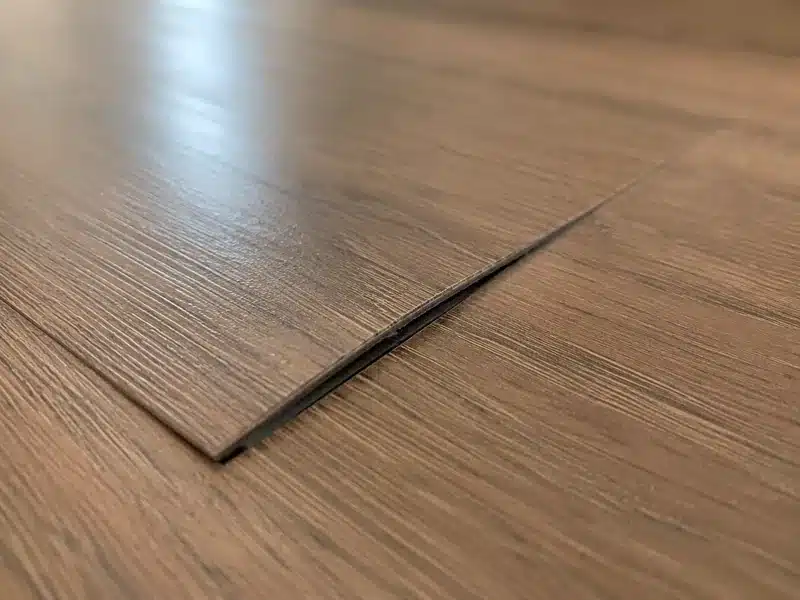
LVP end-joint or locking failure
End-joint gaps, broken locking edges, lifting, and telegraphing may require a closer look at layout, substrate, and use conditions.
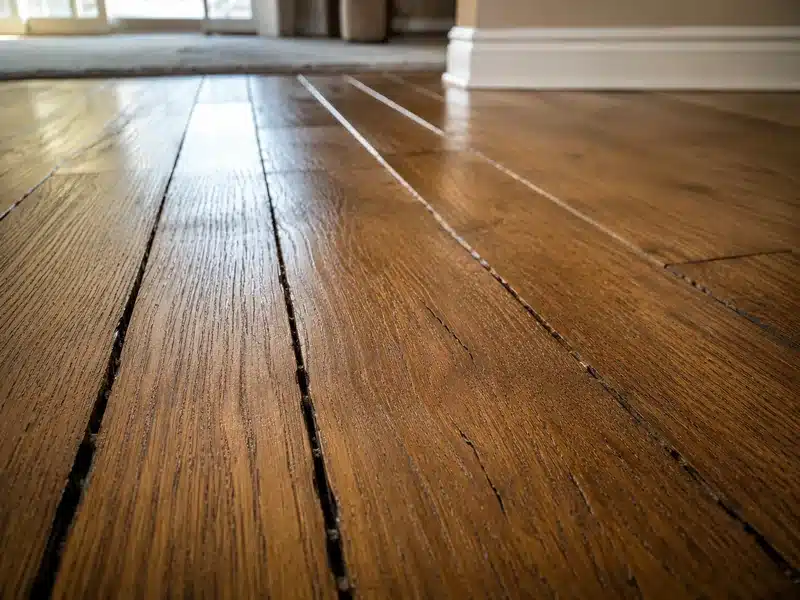
Hardwood gaps or over-drying
Dry air, seasonal change, HVAC patterns, and moisture imbalance can contribute to gaps, splits, checking, or cupping.
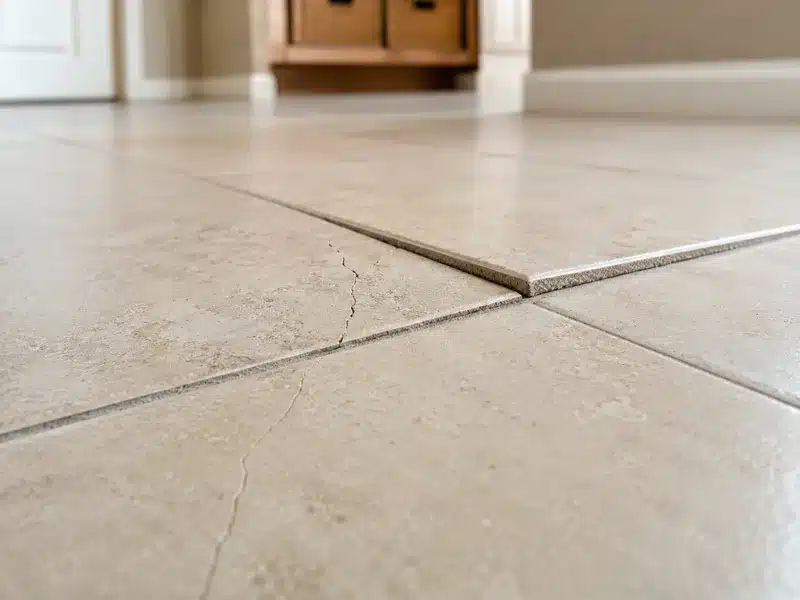
Tile cracks, lippage, or hollow sound
Cracked tile, loose areas, grout failure, and uneven tile may point to substrate, movement, installation, or material concerns.
Moisture or slab concerns
Concrete moisture, surface conditions, vapor movement, and slab preparation can affect resilient, wood, tile, and laminate floors.
Warranty, builder, or contractor dispute
A written inspection can organize observations before a warranty review, repair discussion, builder claim, or contractor dispute escalates.
Reno Flooring Problems Are Different
Local flooring inspections often involve dry climate conditions, low indoor humidity, seasonal movement, slab and substrate concerns, radiant heat, and temperature swings. SPC, WPC, and LVP floors can be sensitive to substrate flatness and expansion space, while hardwood may react to over-drying and tile inspections can be harder to source locally.
Dry climate wood movement
Hardwood and engineered wood can shrink, gap, check, or change shape when indoor humidity stays low for extended periods.
SPC/WPC installation sensitivity
Rigid-core floors can show problems when expansion space, flatness, transitions, sunlight, or locking-system conditions are not right.
Tile inspection availability
Tile failures need careful review of cracking, lippage, hollow sounds, grout, movement joints, and substrate conditions.
Reno Floor Inspector Services
Flooring system inspections
- Hardwood floor inspections
- Engineered wood inspections
- SPC / WPC / LVP inspections
- Tile floor inspections
Testing and report support
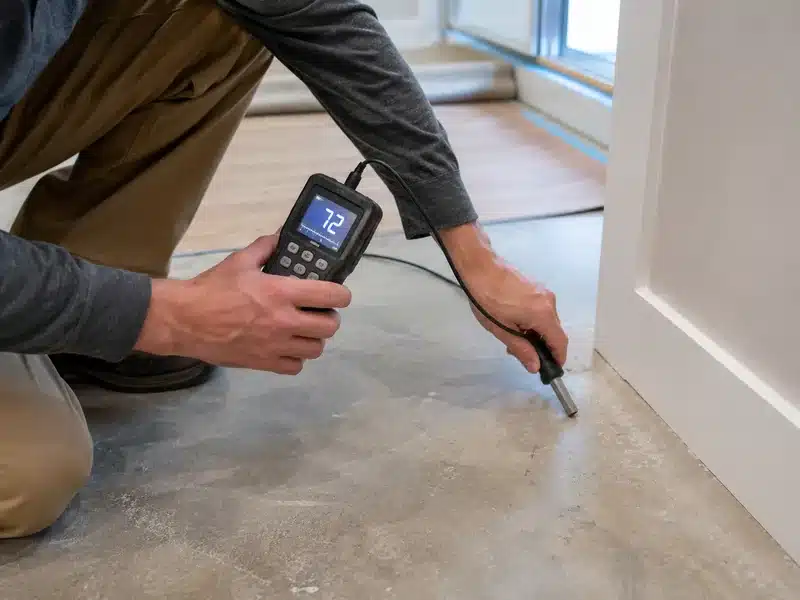
- Concrete moisture testing
- Substrate and site-condition review
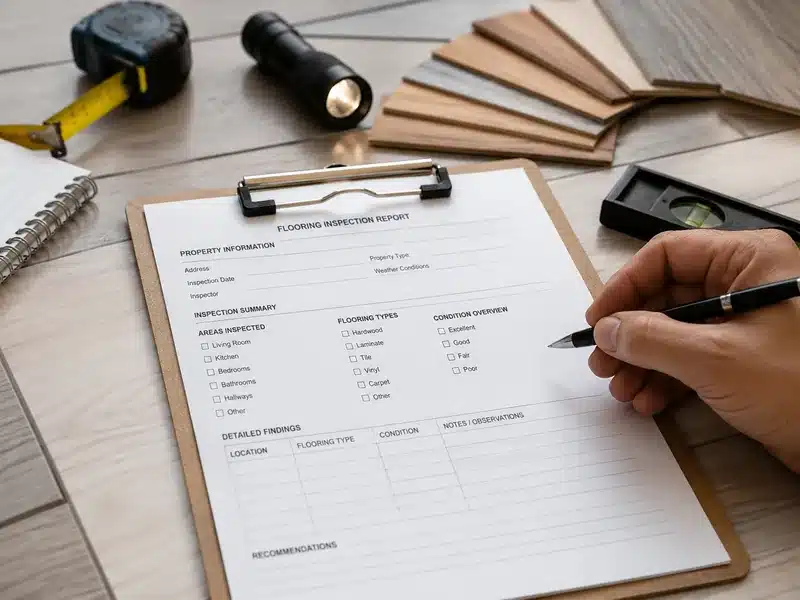
- Warranty documentation
- Flooring expert witness support in Reno
Get the Cause Documented Before the Argument Gets Expensive
A flooring inspection helps document whether the concern appears related to product performance, installation, substrate conditions, moisture, maintenance, site conditions, or the environment. The goal is clear field documentation and next-step clarity, not a promised warranty, repair, claim, or legal outcome.
How the Inspection Process Works
Tell us what happened
Share the floor type, symptoms, timeline, photos, and any warranty or installation documents you already have.
Schedule the site inspection
We confirm the location, access needs, floor areas, and the inspection questions that need to be addressed.
Testing and photo documentation
The site visit may include visual review, measurements, photos, moisture readings, and substrate observations where applicable.
Written report and next-step clarity
You receive organized findings that can help guide repair planning, warranty review, or dispute conversations.
Who Hires Us
Homeowners
For unexplained floor movement, cracking, moisture concerns, or warranty questions.
Flooring contractors
For third-party documentation before repair, replacement, or claim discussions.
Builders
For site observations related to construction, substrate, installation, or product concerns.
Attorneys
For organized flooring expert review and documentation when disputes require clearer facts.
Manufacturers / retailers
For field observations connected to warranty claims or customer complaints.
Insurance and restoration professionals
For flooring condition review after moisture, repair, or restoration events.
Property managers
For rental, multifamily, commercial, or turnover-related flooring concerns.
Serving Reno, Sparks, Tahoe & Northern Nevada
Inspection appointments are available in Reno, Sparks, Carson City, Incline Village, Truckee/Tahoe, Washoe County, and nearby Northern Nevada areas by appointment.
Common Flooring Issues We Document
SPC / WPC Floor Separation
LVP Locking-System Damage
Hardwood Over-Drying & Gaps
Tile Cracks & Lippage
Concrete Moisture & Slab Conditions
Inspection Reports & Documentation
Flooring Inspection Questions
Do I need an inspection before filing a flooring warranty claim?
An inspection can help before or during a flooring warranty claim because it documents the visible condition, site context, installation information, moisture indicators, and product details. It does not guarantee the claim result, but it can make the review more organized.
Can you inspect SPC, WPC, and LVP flooring?
Yes. SPC WPC floor inspection in Reno and LVP floor failure inspection can include separation, end-joint issues, locking damage, telegraphing, peaking, substrate concerns, expansion space, sunlight exposure, and installation layout.
Why do wood floors gap or shrink in Reno?
Reno’s dry climate and low indoor humidity can contribute to hardwood floor over-drying, seasonal gaps, checking, and shrinkage. Inspection may include moisture readings, humidity context, HVAC patterns, acclimation history, and installation details.
Do you inspect tile floors?
Yes. Tile floor inspection in Reno can include cracked tile, lippage, hollow sounds, grout cracking, loose tile, movement-joint concerns, substrate observations, and visible installation conditions.
Can the report be used for a contractor, builder, manufacturer, or legal dispute?
A written report can help organize observations for contractors, builders, retailers, manufacturers, insurance/restoration professionals, attorneys, or claim teams. For legal matters, ask about flooring expert witness needs before repair work changes the evidence.
Don’t Guess What Caused the Flooring Failure
Before you replace the floor, repair the wrong area, or accept blame, get the concern documented by an independent flooring inspector.